Aircrew Parachute Harness/Pack – Vulcan & Victor Crew Seats: Military Flight Crew Equipment
Aircrew Parachute Harness/Pack – Vulcan & Victor Crew Seats: Military Flight Crew Equipment
Blog Article
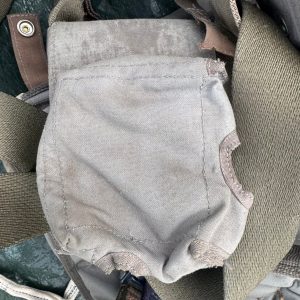
The Aircrew Parachute Harness/Pack – Vulcan & Victor Crew Seats provides strong commercial and historical appeal when its identity, condition, completeness, configuration, and documentation are described accurately.
An Aviation Parachute Harness may form part of military, training, experimental, aerobatic, or historic aviation equipment, while a Pilot Parachute Harness requires professional assessment before any operational consideration.
Whether buyers seek an Aircraft Emergency Parachute Harness, Aircrew Safety Harness, Flight Crew Parachute Harness, Emergency Parachute Harness, or Military Aircrew Harness, exact system identity should guide evaluation.
Whether described as an Aviation Emergency Escape Harness, Parachute Harness Assembly, Aircraft Crew Safety Equipment, Aircrew Emergency Equipment, or Pilot Emergency Parachute System, the item should be evaluated within its complete original configuration.
Aircraft Parachute Equipment offers the strongest value when condition, origin, markings, storage history, and intended sale status are disclosed transparently.
Understanding the Vulcan and Victor Aircrew Harness/Pack
A visually similar military parachute harness may not belong to the same aircraft, seat, or operating configuration.
The listing should explain whether the item includes the harness only, pack only, container, straps, fittings, seat connections, release hardware, padding, labels, or additional components.
Inspecting an Aviation Parachute Harness
An Aviation Parachute Harness typically relies on load-bearing webbing, reinforced stitching, metal fittings, adjustment hardware, attachment points, and configuration-specific connections.
Qualified evaluation is essential before any safety-related classification is assigned to the Aviation Parachute Harness.
Choosing a Pilot Parachute Harness
Historic equipment intended for display should remain clearly separated from equipment evaluated for operational use.
Frozen or stiff hardware should not be forced because this can tear material or damage rare components.
Emergency Harness System Integration
An Aircraft Emergency Parachute Harness is intended to connect the wearer securely with a compatible parachute and escape system during emergency procedures.
The relationship between each fitting and its surrounding webbing should remain visible for inspection.
Historic Aircrew Restraint Equipment
Military aircrew equipment can vary significantly between aircraft types, crew stations, and service periods.
The assembly should receive padded support that preserves its natural shape without stretching straps.
Historic Flight Equipment Condition Review
Age-related degradation can exist within fibers, stitching, hardware, or hidden areas.
The seller should disclose whether the harness has been professionally inspected, displayed, stored, worn, repaired, cleaned, or tested.
Harness Hardware Evaluation
A documented inspection preserves both technical information and collector value.
Leather or rubber components may harden, shrink, crack, or become brittle during storage.
Vulcan and Victor Aircrew Equipment
Incomplete items can still provide useful reference, restoration, or educational value.
Museums and display builders may use the harness/pack to complete a crew-seat installation, cockpit exhibit, training display, or aviation-history presentation.
Evaluating Emergency Escape Gear
Missing components can limit the accuracy of a restoration or display.
Reference photographs and manuals may help reconstruct the intended arrangement.
Military Parachute Pack Components
The exact configuration should be listed clearly so buyers understand what is included.
Small fittings, retainers, straps, pins, covers, or connectors may have significant restoration value.
Choosing Aircraft Crew Safety Equipment
One serviceable-looking component does not establish the condition of the complete crew-safety system.
Routine preservation should include gentle dust removal, condition photography, label recording, humidity control, pest monitoring, and suitable storage support.
Historic Aircrew Emergency Equipment
A harness/pack associated with Vulcan or Victor crew seats can contribute to research into military cockpit equipment and emergency procedures.
Accurate classification improves the credibility of Aircrew Emergency Equipment sales.
Pilot Emergency Parachute System
The offered harness/pack should not be treated as a complete parachute system unless every component is identified and professionally evaluated.
When internal contents are unknown, the listing should state Aviation Parachute Harness that clearly.
Historic Harness Display Planning
An Aviation Safety Harness can become a strong centerpiece within a military aviation collection, crew-seat display, cockpit reconstruction, or museum exhibit.
Public displays should include clear information explaining the item’s aircraft association, approximate period, purpose, condition, and nonoperational status where appropriate.
Choosing a Flight Parachute Harness
The seller should understand the buyer’s purpose before making suitability statements.
Original storage bags, manuals, inspection cards, or photographs can increase collector interest.
Military Parachute Component Matching
A harness associated with one Vulcan or Victor seat position may differ from equipment used by another crew member.
Historic photographs and technical references can guide arrangement when available.
Vulcan and Victor Harness Condition Guide
The seller should disclose cut straps, missing fittings, corrosion, mildew, staining, odors, repairs, modifications, opened packs, and unknown internal contents.
- Verify whether the harness, pack, fittings, connectors, straps, and seat-interface components belong to one original configuration.
- Check metal hardware for corrosion, pitting, cracks, bending, sharp edges, seized movement, plating loss, and mismatched parts.
- Retain purchase records, photographs, provenance documents, packaging, and condition reports with the collection or restoration file.
Historic Parachute Harness Storage
Acidic cardboard, untreated wood, plasticizers, rubber, chemicals, and damp fabrics should not contact the equipment.
Any suspected mold or chemical contamination should be isolated and assessed carefully.
Displaying the Vulcan and Victor Harness/Pack
The harness should be arranged according to reliable reference material without forcing stiff components into position.
Interpretive material can explain the relationship between the harness, pack, crew seat, aircraft role, and emergency system.
Long-Term Aircrew Harness Care
Aggressive cleaning can remove original markings, finishes, inspection evidence, or historically significant wear.
Repairs intended for display should remain reversible and clearly documented.
Selecting a Crew-Seat Harness and Pack
When carefully inspected, stored, documented, conserved, and displayed, the Aircrew Parachute Harness/Pack – Vulcan & Victor Crew Seats can remain a valuable military aviation artifact.
The assembly should be judged according to verified identity and complete project suitability rather than aircraft-name recognition, visual completeness, or price alone.
Whether the product is described as a Parachute Harness Assembly, Aircraft Crew Safety Equipment, Aircrew Emergency Equipment, or Pilot Emergency Parachute System, completeness and intended use should be stated clearly.
With verified provenance, careful inspection, protected storage, reversible display methods, organized documentation, and responsible conservation, the harness/pack can provide lasting historical value.
Report this page